
Premarital counseling gives couples the tools to handle money, conflict, and intimacy before those things become problems. Most couples who struggle in their first few years of marriage say they wish they’d had these conversations earlier — not because their relationship was doomed, but because nobody taught them how to have them well. Premarital counseling is where those conversations happen, with structure and a trained third party who isn’t emotionally invested in the outcome.
I work with couples at Now & Zen Wellness in Tampa who are planning to marry or commit long-term. Some come in with specific concerns. Most come in wanting to feel more prepared. this type of work isn’t therapy for a broken relationship — it’s an investment in one that’s working.
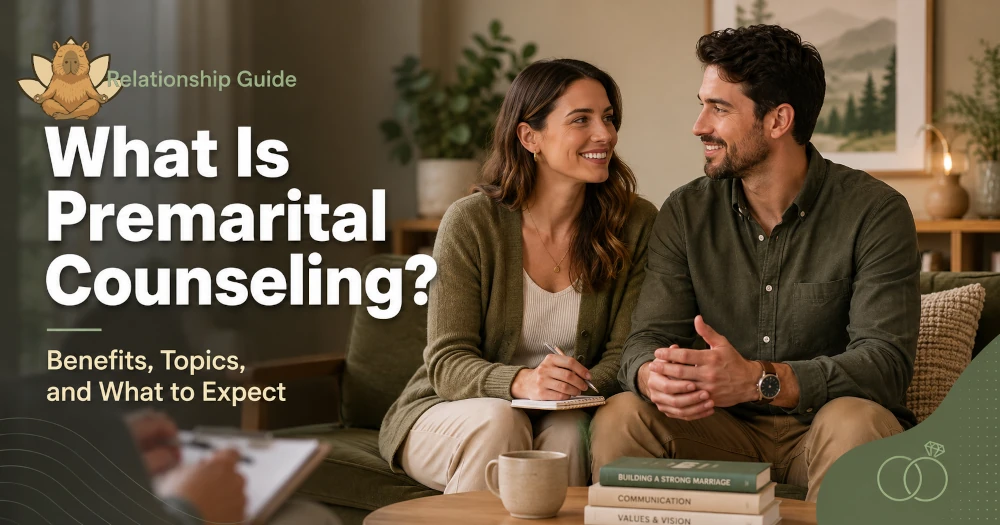
What Premarital Counseling Actually Covers
The topics that come up most in premarital counseling aren’t the ones couples expect. Most people expect to talk about love and communication. What actually takes the most time: money, family of origin, conflict styles, and expectations about the future that each partner has been carrying around without realizing they need to say out loud.
Here’s what these sessions typically cover:
1. Financial Values and Money Management
 Money is the leading cause of stress in marriages. Premarital counseling surfaces the differences in how each partner thinks about spending, saving, debt, and financial security — before those differences create resentment. For most couples, this conversation reveals assumptions neither person knew they were making.
2. Conflict Style and Repair
Every couple argues. What distinguishes couples who stay together isn’t the absence of conflict — it’s how they repair afterward. these sessions helps each person understand their own conflict pattern (pursue, withdraw, escalate, avoid) and how those patterns interact with their partner’s.
3. Roles and Responsibilities
Who does what — housework, childcare, career decisions, care for aging parents — often goes unspoken until it becomes a source of ongoing conflict. the process gets these conversations on the table while both people still have the goodwill to work through them thoughtfully.
4. Family of Origin and Boundaries
The family you grew up in shapes your expectations for marriage in ways you may not fully see until you’re living them out with another person. this work looks at what each partner learned about relationships from their family — and which of those lessons they want to carry forward or leave behind.
5. Intimacy, Affection, and Physical Connection
Premarital counseling creates space to talk about physical and emotional intimacy in a structured setting — including differences in desire, communication about needs, and what each person needs to feel close. These conversations are awkward to start outside of a clinical context. In premarital counseling, they’re expected.
How Premarital Counseling Works
Most couples counseling runs for four to eight sessions, scheduled in the months before the wedding. Some couples work through a structured assessment — like the PREPARE/ENRICH inventory, which identifies each partner’s strengths and growth areas as a couple. Others prefer a less structured approach based on the topics most relevant to their situation.
Sessions focus on conversation, not lectures. The goal isn’t to teach you what a healthy relationship looks like — it’s to help you understand your specific dynamic and develop tools that work for your partnership.
Who Benefits Most from Premarital Counseling
Premarital counseling isn’t just for couples with problems. It’s particularly useful for:
Couples who come from different backgrounds — culturally, religiously, economically — where assumptions about how a household runs may differ significantly. counseling makes those differences explicit early.
Couples where one or both partners have been through divorce or a significant previous relationship. Pre-marriage therapy can help clarify what went wrong before and what both people need to do differently this time.
Couples who feel like they communicate well but want to go deeper. Often the couples who get the most from this process are the ones who are already doing well — they’re investing in something that’s working, not fixing something that’s broken.
Premarital Counseling in Tampa
At Now & Zen Wellness in Carrollwood, Tampa, premarital counseling is available in person and via telehealth across Florida. Sessions are structured around the topics most relevant to your relationship — with as much or as little assessment as you want.
If you’re planning to marry and want to go in prepared, this is the most practical investment you can make in that relationship. Schedule a free 15-minute consultation to talk through what you’re hoping to get from it.
FAQ
How long does premarital counseling take?
Most couples complete four to eight sessions over two to four months. Some couples do an intensive version in a shorter window. The format depends on your timeline and what you want to cover.
Do we have to have problems to benefit from premarital counseling?
No. This kind of work is most useful before problems develop — when both people have the goodwill and clarity to have hard conversations well. Waiting until there’s conflict makes those conversations much harder.
Is premarital counseling the same as couples therapy?
They overlap, but they’re different. It’s preventive and forward-looking — it prepares you for marriage. Couples therapy addresses problems that have already developed. Premarital counseling isn’t therapy for a struggling relationship; it’s preparation for a committed one.
For more information on research supporting premarital preparation, see the American Psychological Association’s research on healthy relationships.