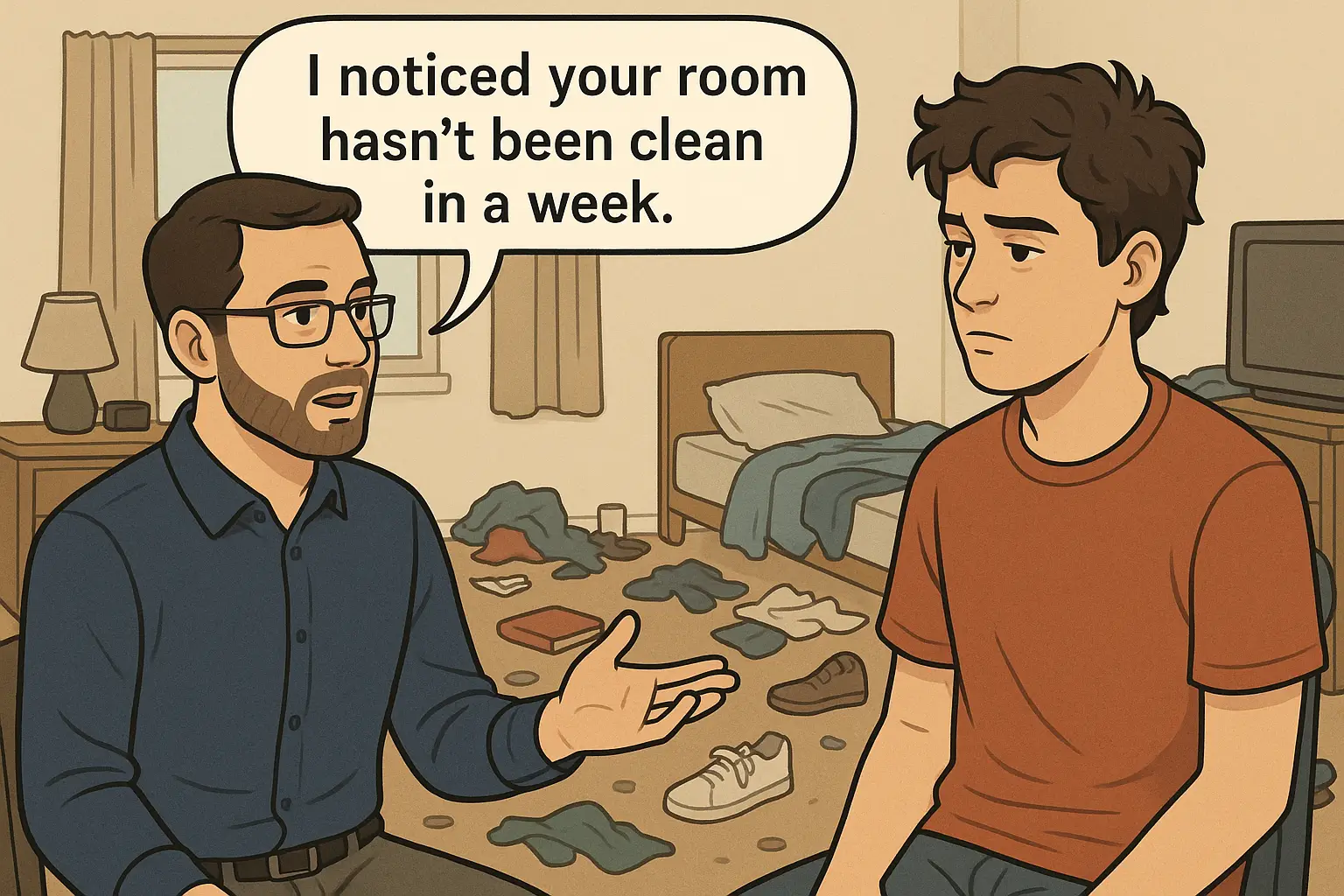
Working as a recovery coach taught me that real change doesn’t come from power struggles—it comes from compassion, communication, and understanding. Whether someone is navigating dual diagnosis, substance use, depression, or emotional overwhelm, support matters more than pressure. By listening, creating connection, and seeing the person behind the symptoms, we help them step toward healing, one honest conversation at a time.
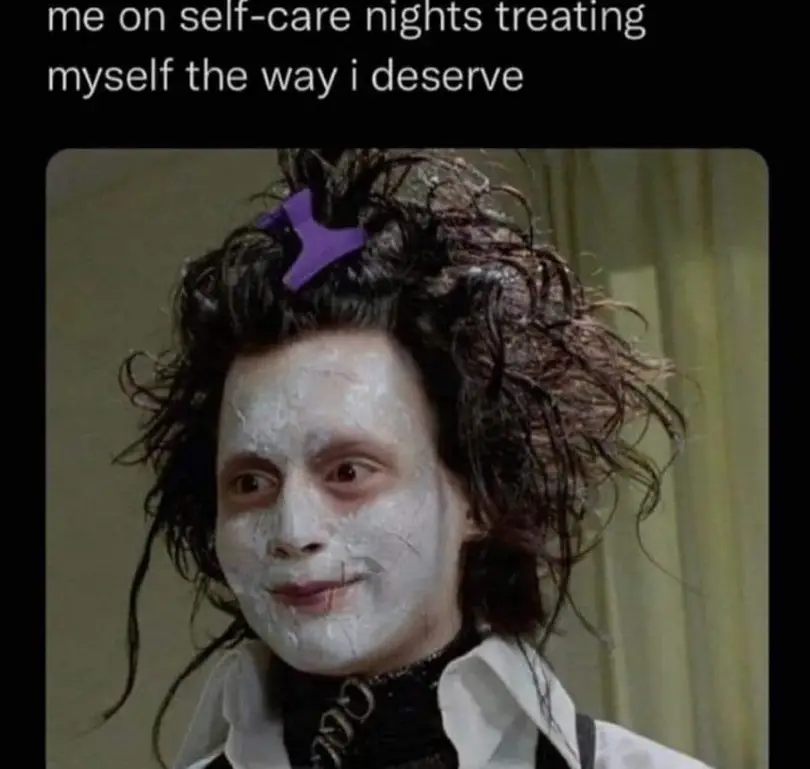
Self-care isn’t pampering—it’s survival. It’s the daily practice of maintaining your physical health, mental health, and emotional balance so you can show up fully in your life. From the oxygen mask principle to relapse prevention, self-care is how we reduce stress, prevent disease, and stay grounded in a world that constantly pulls at our energy. This article explores what self-care really means, how culture shapes it, and why it’s essential for long-term wellbeing.

Infidelity takes many forms—emotional, physical, and digital—and it can destabilize even the strongest relationships. In this post, I break down how couples can understand the impact, regulate intense emotions, rebuild trust, and use forgiveness as a path toward clarity, responsibility, and long-term healing.
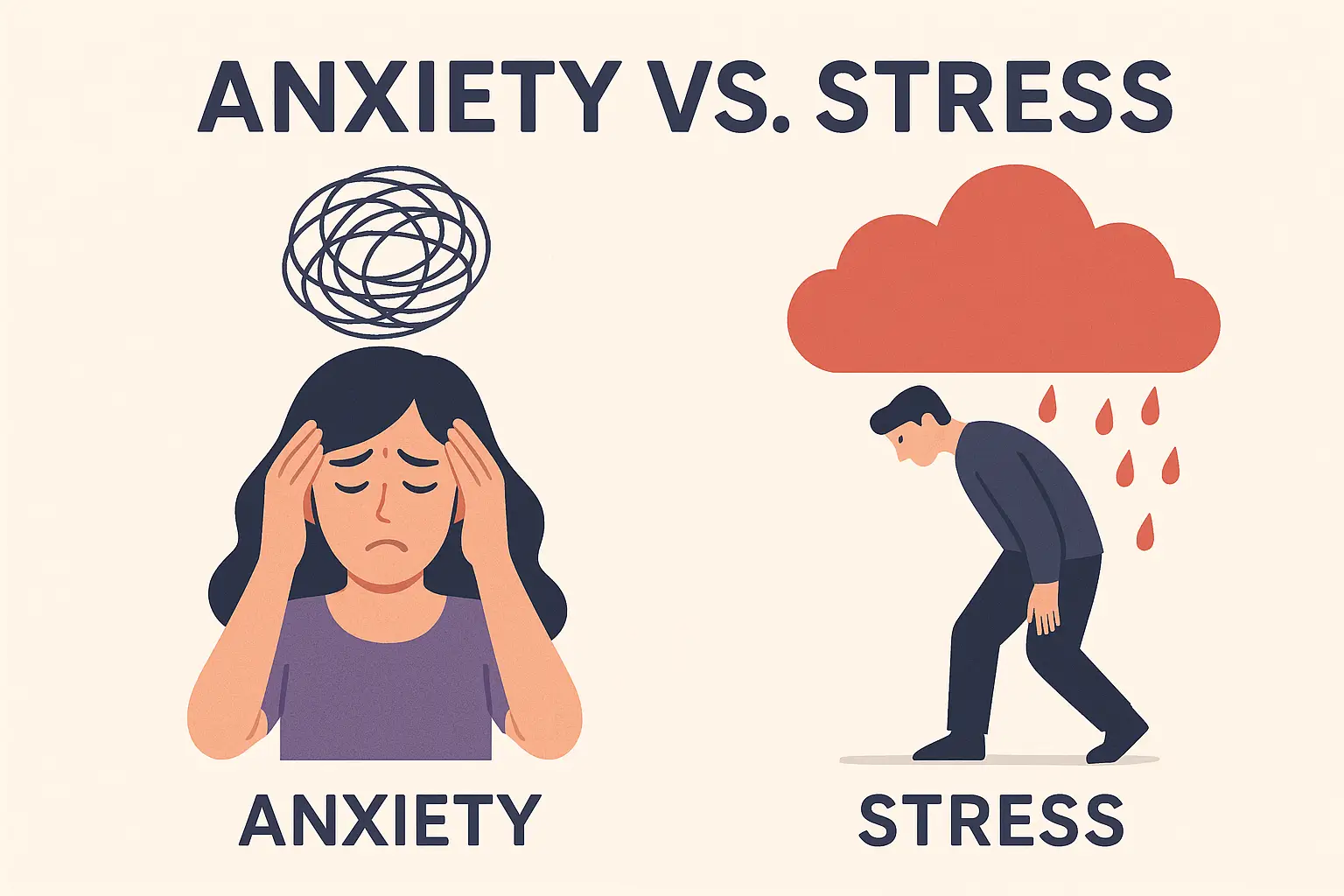
Stress and anxiety are often used interchangeably, but they affect the mind and body in very different ways. Stress typically comes from a specific trigger—like a demanding job or an upcoming deadline—while anxiety can linger without an obvious cause, creating constant worry, physical tension, and mental exhaustion. Understanding the difference between stress and anxiety helps you recognize symptoms early, practice effective coping strategies, and protect your overall mental and physical well-being.