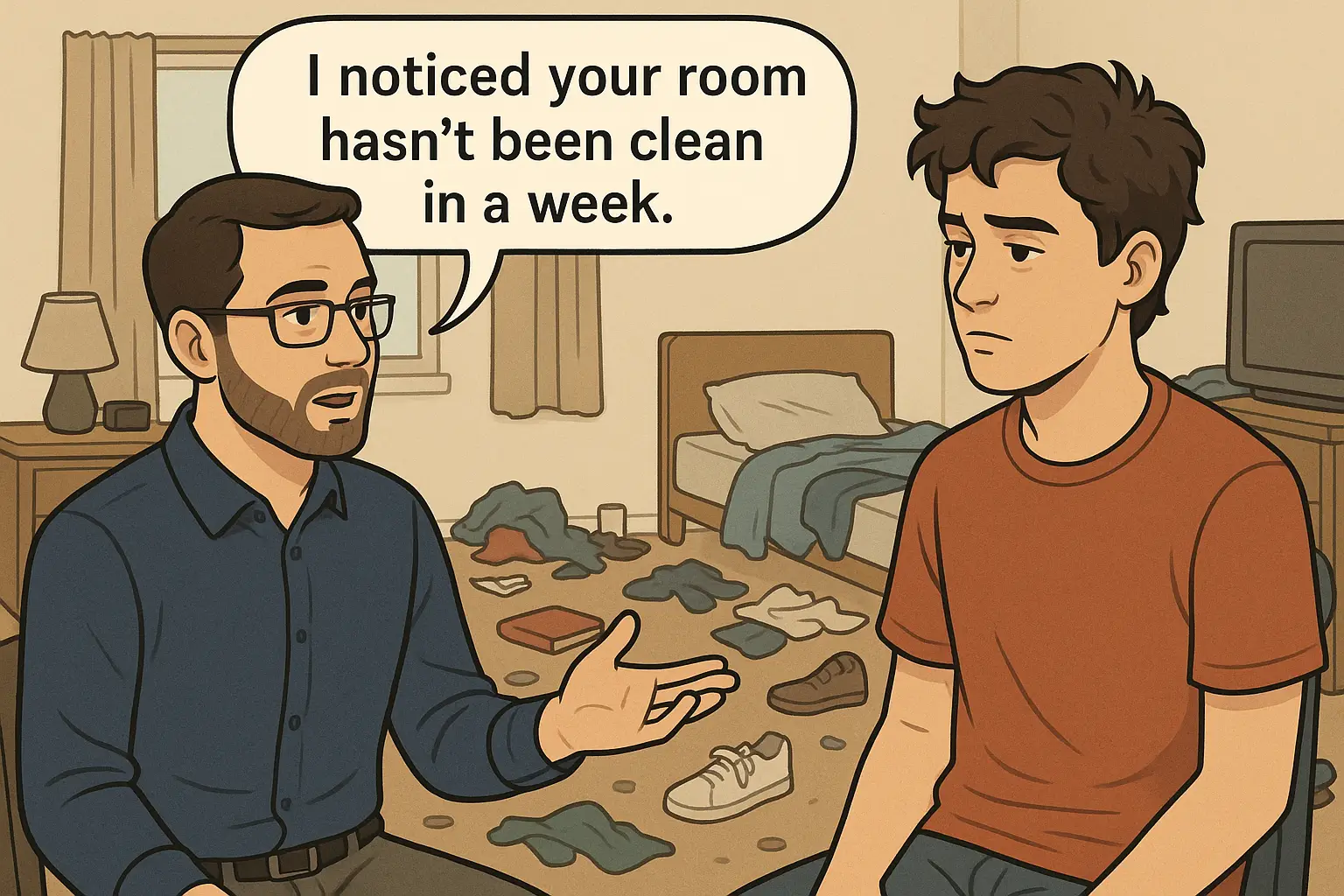
Working as a recovery coach taught me that real change doesn’t come from power struggles—it comes from compassion, communication, and understanding. Whether someone is navigating dual diagnosis, substance use, depression, or emotional overwhelm, support matters more than pressure. By listening, creating connection, and seeing the person behind the symptoms, we help them step toward healing, one honest conversation at a time.
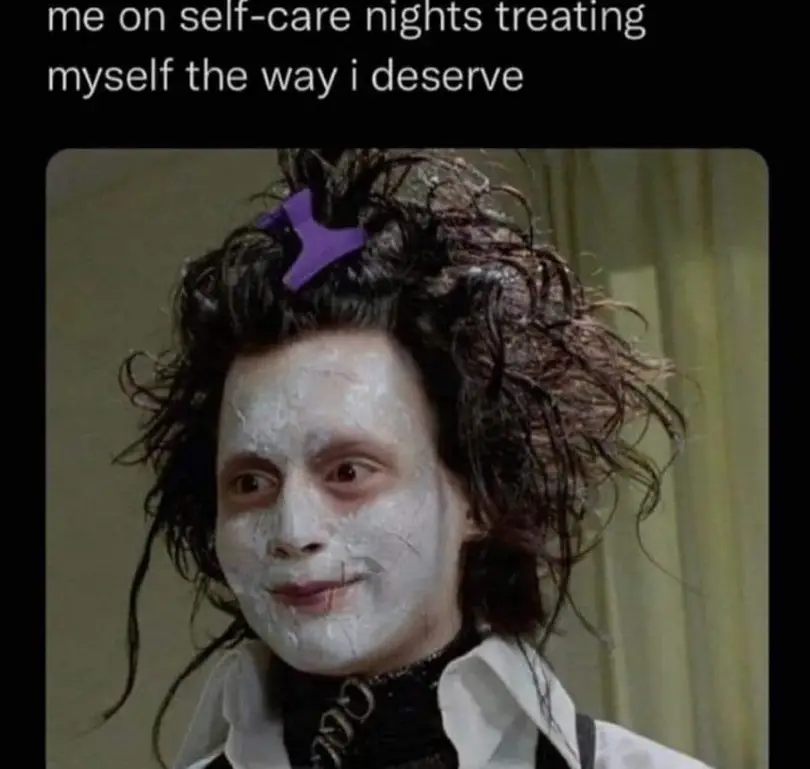
Self-care isn’t pampering—it’s survival. It’s the daily practice of maintaining your physical health, mental health, and emotional balance so you can show up fully in your life. From the oxygen mask principle to relapse prevention, self-care is how we reduce stress, prevent disease, and stay grounded in a world that constantly pulls at our energy. This article explores what self-care really means, how culture shapes it, and why it’s essential for long-term wellbeing.
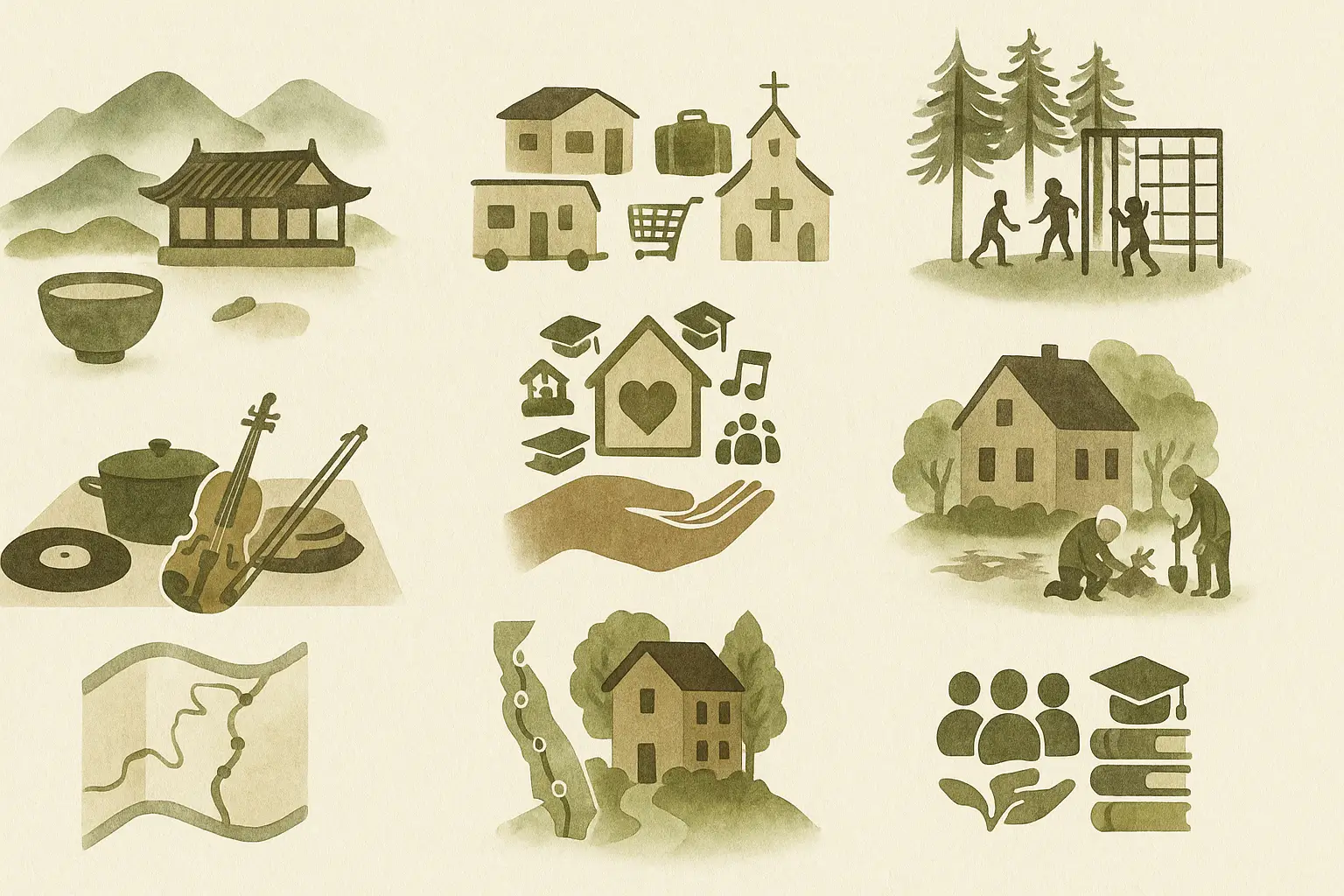
I used to think I didn’t have a culture. Army bases, Louisiana kitchens, classic rock, and a South Korea assignment changed that. This reflection explores how food, music, place, family, and community—our everyday rituals—shape identity and deepen cultural awareness.
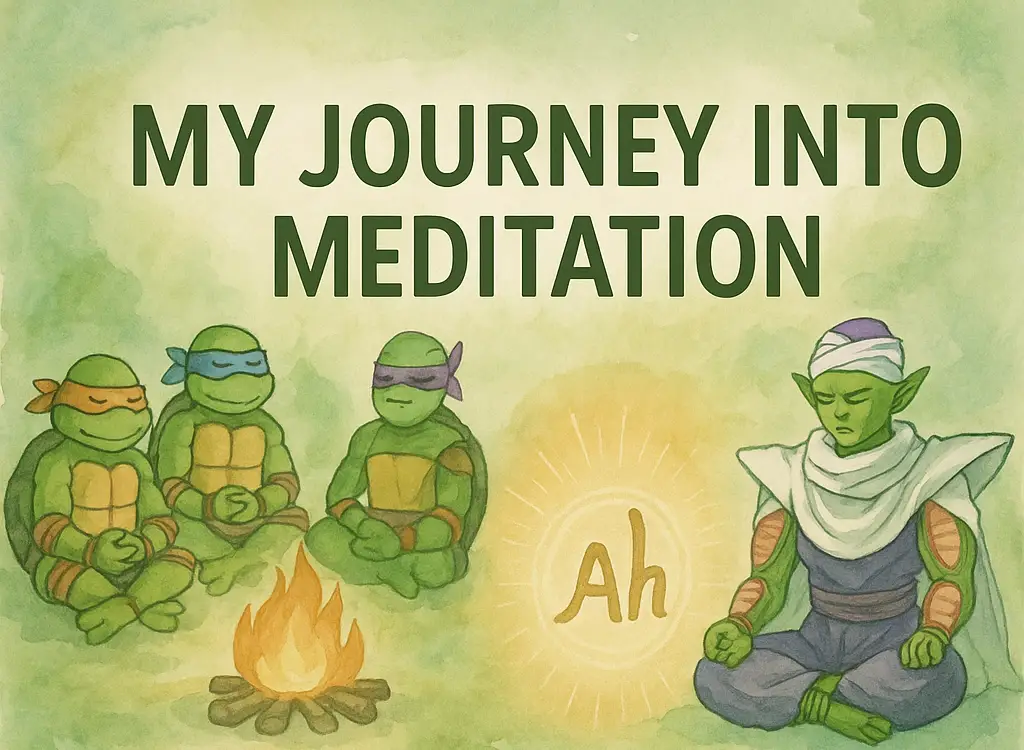
Meditation didn’t just calm my mind—it changed the way I understand stress, emotions, and presence. This is the story of how mindfulness became a meaningful part of my daily life.
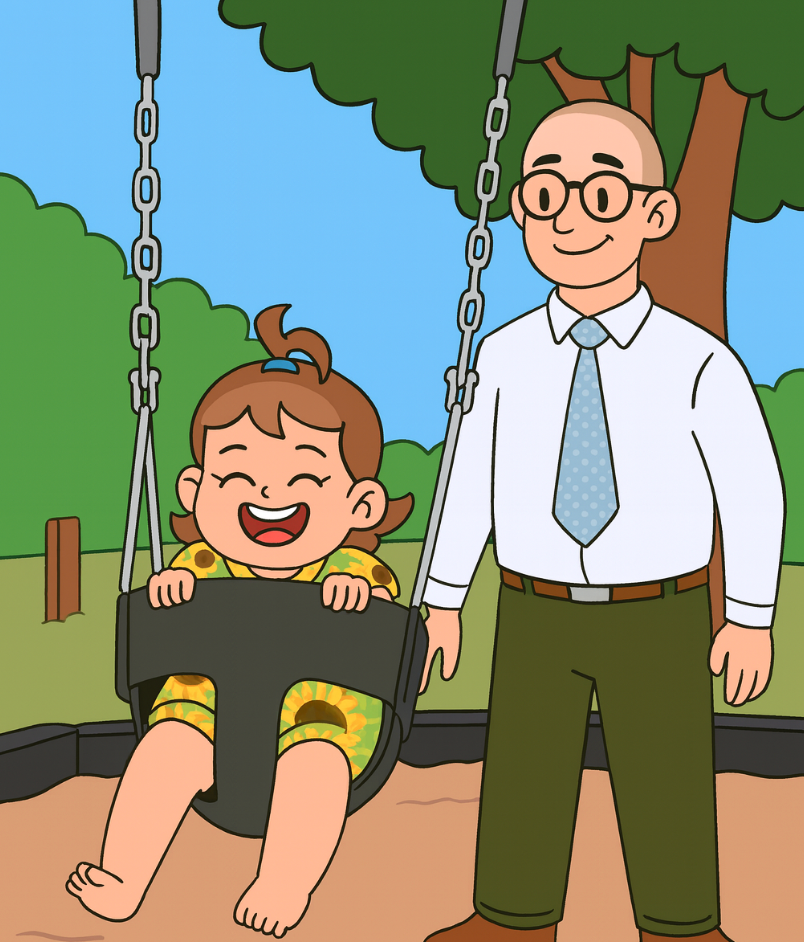
A simple moment with my daughter taught me more about self-talk than any textbook. This story reveals how the words we use with ourselves shape our emotions, confidence, and ability to heal.