Explore articles from Douglas Carmody, LCSW at Now & Zen Wellness—covering anxiety, trauma, relationships, self-care, EMDR therapy, and practical mental health tools for everyday life.
The first 30 days after quitting alcohol or substances can be a tumultuous journey filled with unexpected challenges. It’s not the glamorous transformation you see in motivational posts; it’s messy, uncomfortable, and often overwhelming. From navigating withdrawal symptoms to confronting the emotions you've been avoiding, early recovery is a time of profound change. Discover what nobody tells you about this critical period, the health risks involved, and the essential support you need. If you're considering quitting or are in the early stages of recovery, this guide offers real insights and practical advice to help you through.
Is EMDR like hypnosis? Can I do it on my own? Do I have to relive every detail of my trauma? If you're considering EMDR therapy in Tampa, these questions might be holding you back from getting started. Let's clear up the confusion and talk about what EMDR actually is—and what it isn't. From the myths about trance states to the truth about how many sessions you'll need, here are the 5 questions everyone asks (and the one question I wish more people would ask before starting EMDR).
Choosing inpatient treatment for addiction is a major decision — and it’s not always the right first step. Learn how ASAM criteria guide ethical level-of-care decisions, when residential rehab is truly needed, how dual diagnosis and sober-living options fit into recovery, and how to choose the right treatment path without unnecessary cost or disruption.
High functioning anxiety can look like success on the outside while feeling like constant pressure on the inside. This article explores how anxiety disorders can hide behind productivity, the symptoms that often go unnoticed, and effective ways to find relief before burnout takes over.
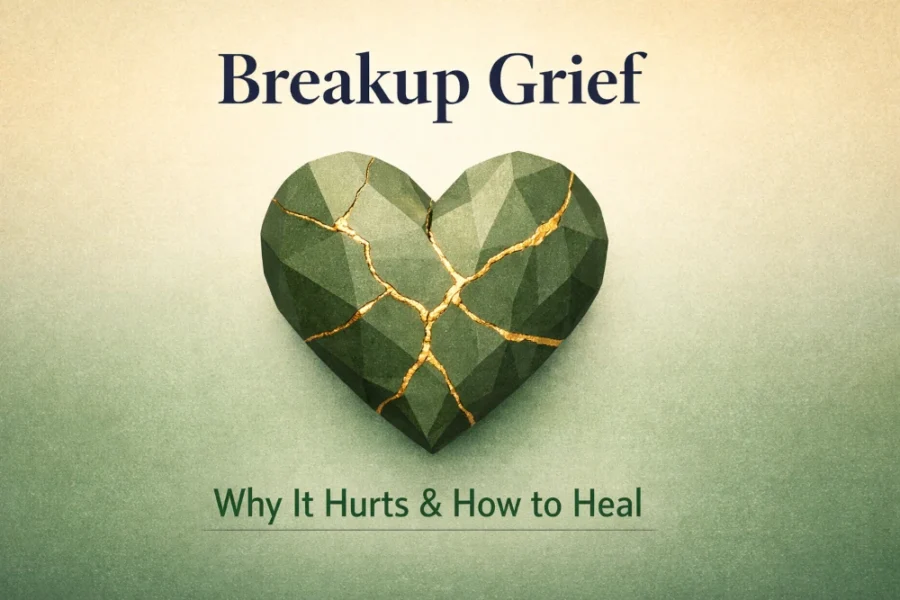
If you're going through breakup grief and it feels like someone died, that's because—neurologically speaking—something did die. The future you imagined, the person who knew your coffee order and understood your past, the daily reality that structured your entire life—all of it, gone. Breakup grief is real grief. It's normal to feel like your world has ended, even if friends and family don't understand. Your broken heart isn't being dramatic. Your nervous system is responding to a profound loss the same way it would process an actual injury. The pain is real, the grieving process takes time, and you're not the only person who feels this way. This isn't about "getting over it" quickly or "moving on" before you're ready. This is about understanding why painful breakups hurt so much, learning self care tips that actually help, and finding your way toward moving forward when you're ready to create a new life.
Learn how EMDR therapy for complex PTSD differs from standard PTSD treatment. Tampa therapist explains symptoms, timeline, and specialized approach to healing.
Porn addiction is not a moral failure—it’s a complex cycle of brain chemistry, trauma, and emotional avoidance. This compassionate guide clarifies the difference between compulsion vs. addiction, explores the role of shame in the cycle, details how it impacts relationships, and outlines effective, shame-free treatment paths like group and individual therapy for real healing.
Meditation isn't about clearing your mind—it's about showing up. Here are two perspective-shifting quotes that helped me embrace the messy, imperfect, and beautiful reality of sitting in stillness.
Therapy can feel overwhelming at first, and many people notice an increase in emotions before they experience relief. This blog explains why progress often looks messy in the beginning and how these challenging moments are signs that deeper healing is finally taking shape.
Working as a recovery coach taught me that real change doesn’t come from power struggles—it comes from compassion, communication, and understanding. Whether someone is navigating dual diagnosis, substance use, depression, or emotional overwhelm, support matters more than pressure. By listening, creating connection, and seeing the person behind the symptoms, we help them step toward healing, one honest conversation at a time.
Self-care isn’t pampering—it’s survival. It’s the daily practice of maintaining your physical health, mental health, and emotional balance so you can show up fully in your life. From the oxygen mask principle to relapse prevention, self-care is how we reduce stress, prevent disease, and stay grounded in a world that constantly pulls at our energy. This article explores what self-care really means, how culture shapes it, and why it’s essential for long-term wellbeing.