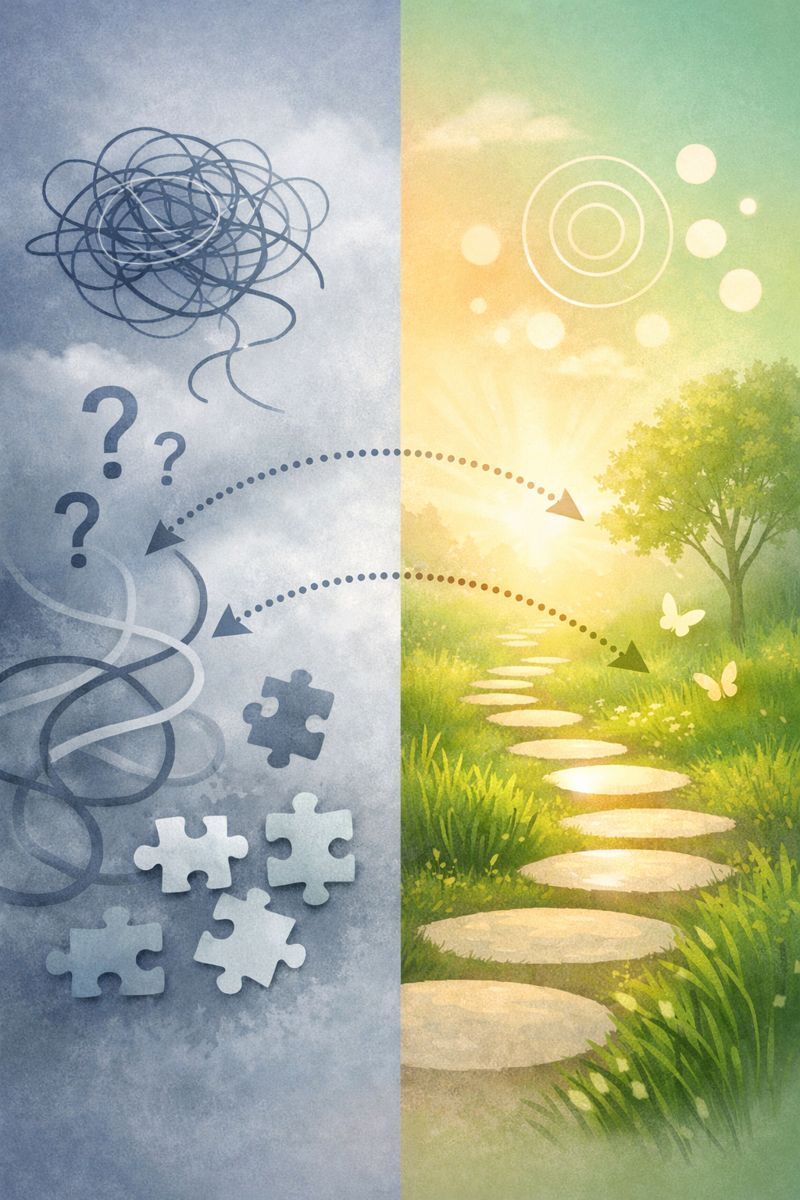
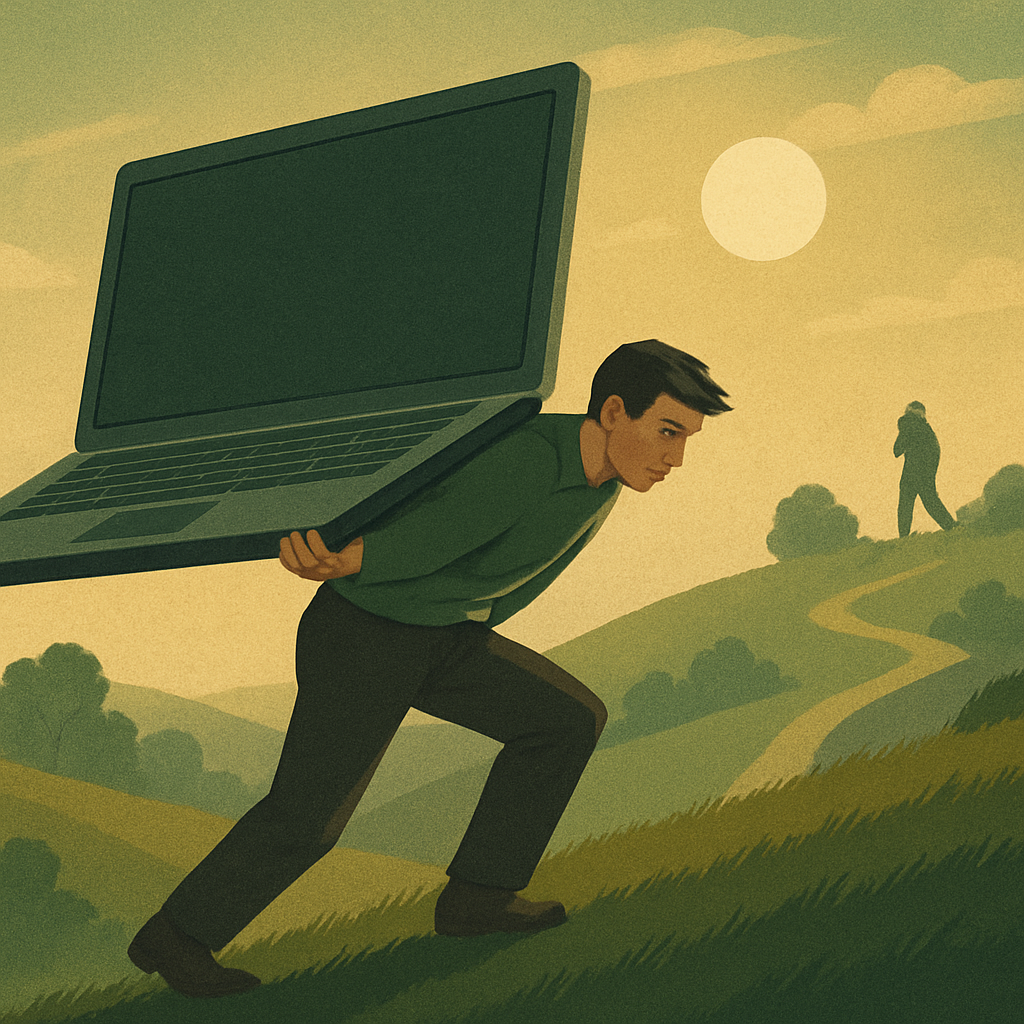
A clinical, compassionate look at compulsive sexual behavior, dopamine cycles, and the absolute path to healing.
Problematic porn use is one of the most misunderstood issues in mental health. Many people quietly search for therapy for porn addiction, trying to determine whether their pornography use is just a habit, a form of compulsive sexual behavior, or something that reflects deeper sexual addiction patterns. Others feel overwhelmed by pornography usage that leads to negative consequences, secrecy, or emotional distress.
Regardless of where someone falls, pornography addiction is not simply about sex—it’s a complex interaction of brain chemistry, coping strategies, trauma triggers, emotional avoidance, and relationship strain. Understanding sexual addiction begins with compassion, not judgment.
Porn Use and the Brain: Why Dopamine Makes It Feel Like Addiction
People often ask whether porn addiction is “real.” The simplest way to understand it is to look at the brain. Internet pornography and online pornography use create rapid dopamine spikes far beyond what the brain experiences in typical sexual behaviors. Pornography offers endless novelty—new scenes, new tabs, new stimulation—which the brain experiences as a superstimulus.
Over time, the brain adapts. The dopamine system becomes less sensitive, and people need more content, more intensity, or longer sessions to feel the same effect. This is the same neurological pattern seen in other addictive disorders, impulse control disorders, substance abuse, and behavioral addictions. Research, including systematic review findings and publications from Oxford University Press and the Oxford Handbook, continues to highlight how pornography viewing affects the brain’s reward circuitry and increases risk for compulsive pornography use.
This is why many porn addicts describe the behavior as automatic or uncontrollable. Even individuals who feel confident in other areas of life suddenly feel affected, overwhelmed, or ashamed by their repeated pornography use.
Porn addiction is not a moral failure. It is a dopamine-driven cycle with real psychological and emotional consequences.
Compulsion vs Addiction: The Clinical Difference
Not all pornography usage qualifies as addiction. Some people struggle with compulsive pornography use—feeling pulled toward online pornography even when they don’t want to engage. Others experience problematic pornography use marked by secrecy, lying, or escalating content.
Clinically, addiction is determined by indicators such as:
- Loss of control
- Escalation in content or frequency
- Withdrawal-like symptoms (restlessness, anxiety, irritability)
- Adverse consequences at work, in relationships, or in mental health
- Failed attempts to stop
- Using pornography to cope with stress or emotion
- Disruption to life, sleep, responsibilities, or intimacy
- Persistent cravings or intrusive thoughts about pornography
During assessment in therapy sessions, I help clients determine where their sexual behaviors fall on this spectrum. Psychological testing is rarely necessary; most people already sense that their pornography use has become something bigger than they can manage alone.
Why People Get Stuck: Shame, Avoidance, and Emotional Pain
Many individuals with pornography addiction or compulsive sexual behavior experience deep shame. This shame becomes part of the cycle:
- Stress or conflict increases
- Pornography use provides temporary relief
- Guilt or shame follows
- Avoidance behavior increases
- Stress increases again
- The cycle restarts
Shame is one of the strongest predictors of repeated pornography use. It reduces self-compassion, lowers self-esteem, increases anxiety, and keeps people from seeking professional help.
In group therapy, clients often realize that the same adverse effects and related symptoms appear across different ages, personalities, and life situations. They also learn they are not alone.
Why Problematic Porn Use Impacts Relationships
Pornography use affects relationships more than most people expect. Partners may feel confused, rejected, or betrayed—even when the person struggling insists the behavior “has nothing to do with them.” Pornography use can affect:
- Communication skills
- Emotional connection
- Trust
- Intimacy
- Conflict patterns
- Ability to be present during sex
- Self-worth in both partners
This is why couples often enter counseling after pornography addiction becomes too stressful or damaging to ignore. When the behavior impacts relationships, both individuals become affected—emotionally, psychologically, and sexually.
Trauma, Personality, and Risk Factors
Porn addiction doesn’t happen in isolation. Many clients are surprised to learn that trauma plays a significant role, especially emotional neglect, childhood stress, or unresolved relational wounds.
Factors that increase risk include:
- Trauma or chronic stress
- Anxiety and depression
- Low self-esteem
- Avoidance coping
- Difficulty managing emotions
- Relationship conflict
- Personality tendencies toward impulsivity
- Past abuse or attachment injuries
Porn addiction can develop even in people who never struggled with addiction before. It becomes a way to regulate emotions, calm the brain, avoid pain, or escape from life.
When to Consider It an Addiction
Clients often ask: “How do I know if my pornography use is addiction?”
You may be dealing with pornography addiction if:
- It feels impossible to stop
- You’ve tried to quit multiple times
- The content escalates over time
- You experience negative consequences, but continue anyway
- You feel distressed during attempts to stop
- Your relationships have been affected
- You turn to pornography during stress, anxiety, conflict, or loneliness
- You spend more time than intended watching pornography
- You feel out of control
Understanding sexual addiction starts by recognizing the patterns—not by judging yourself for them.
Treatment: What Actually Helps People Recover
Healing is absolutely possible, and treatment does not require shame or self-punishment. Effective therapy for porn addiction includes:
- Cognitive processing therapy for trauma and emotional triggers
- Individual counseling for shame reduction and skill building
- Group therapy for connection, accountability, and shared healing
- Developing healthier sexual behaviors and coping strategies
- Self-compassion practices to break the guilt cycle
- Addressing anxiety, depression, or stress that fuels the behavior
- Building stronger relationships and communication skills
- Structured treatment plans for overcoming addiction
Many clients gain confidence and emotional clarity within weeks, even after years of struggling alone.
Therapists, counselors, and psychiatrists all play different roles in treatment. The goal is to improve overall quality of life, rebuild relationships, and help the person take an active role in their healing.
You’re Not Alone — And You’re Not Broken
Pornography addiction affects millions of people across age groups. If you are struggling, it does not mean you are weak or damaged. It means your brain adapted to a powerful stimulus, and now you’re learning how to regain control.
With support, treatment, and the right tools, real healing is possible.
Next Steps:
You deserve support, clarity, and a path toward a stronger life.
References
Carnes, P. (2001). Out of the shadows: Understanding sexual addiction (3rd ed.). Hazelden Foundation.
Carnes, P., Weiss, R., & Adams, K. M. (2018). Clinical management of sex addiction. Springer Publishing.
Grubbs, J. B., Perry, S. L., Wilt, J. A., & Reid, R. C. (2020). Pornography problems due to moral incongruence: An integrative model with a systematic review. Archives of Sexual Behavior, 49(7), 2685–2701. https://doi.org/10.1007/s10508-020-01765-9
Kafka, M. P. (2010). Hypersexual disorder: A proposed diagnosis for DSM-5. Archives of Sexual Behavior, 39(2), 377–400. https://doi.org/10.1007/s10508-009-9574-7
Love, T., Laier, C., Brand, M., Hatch, L., & Hajela, R. (2015). Neuroscience of internet pornography addiction: A review and update. Behavioral Sciences, 5(3), 388–433. https://doi.org/10.3390/bs5030388
Reid, R. C., Bramen, J. E., Anderson, A., Cohen, M. S., & Adolphs, R. (2014). Neuroanatomical correlates of dysregulated sexuality in individuals with sexual compulsivity. Journal of Psychiatric Research, 54, 148–157.
World Health Organization. (2019). International classification of diseases (11th ed.). https://icd.who.int
(Compulsive sexual behavior disorder is included as an impulse-control disorder.)
American Psychiatric Association. (2013). Diagnostic and statistical manual of mental disorders (5th ed.). American Psychiatric Publishing.
Wéry, A., & Billieux, J. (2017). Online sexual activities: An exploratory study of problematic and non-problematic usage patterns in adult Internet users. Comprehensive Psychiatry, 75, 36–47.
Twohig, M. P., & Crosby, J. M. (2010). Acceptance and Commitment Therapy as a treatment for problematic Internet pornography viewing. Behavior Therapy, 41(3), 285–295.