The Real Meaning of Self-Care
When I first heard the term self-care, it honestly sounded like psychobabble—an excuse to check out, avoid responsibility, or focus only on comfort. As a therapist working in mental health and social work, I remember professors going around the room asking, “What do you do for self-care?”
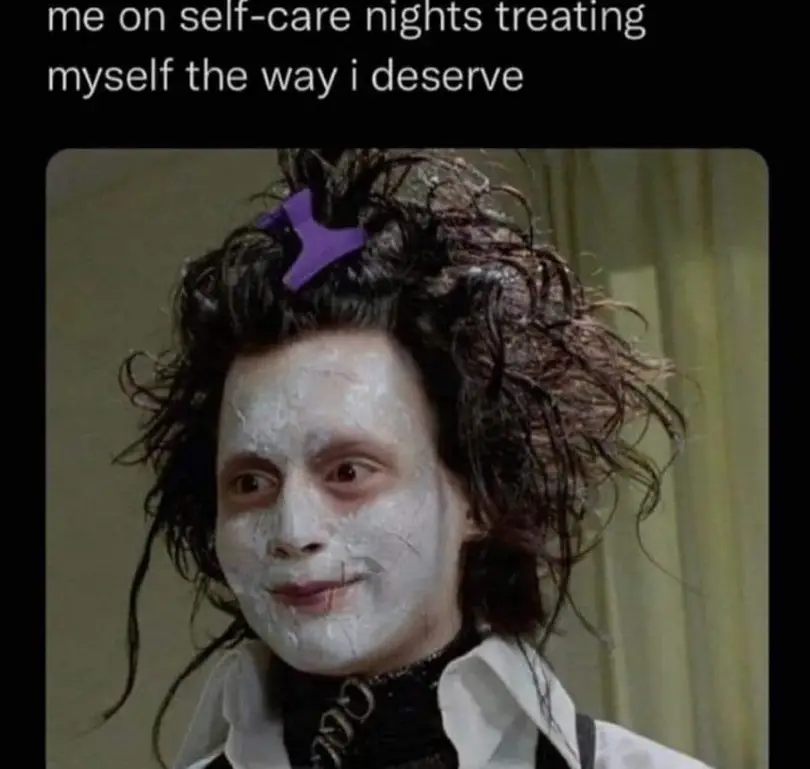
The answers were always different. I went to Disney World. I got my hair done. I went to the spa. I took my dog for a walk. At the time, I didn’t think of any of that as something the World Health Organization or any health care system would consider meaningful. It felt too soft, too vague, too subjective.
But with experience—working with clients, studying physical health, understanding disease prevention, and learning how people maintain health over time—I realized I had misunderstood the whole concept.
Self-care refers to the daily actions we take to maintain and support mental and physical health, and to promote health in everyday life. It plays a role in preventing disease, reducing stress, stabilizing blood pressure, improving sleep, and enhancing overall health and social well-being. A healthy diet, enough sleep, stress management, and moments of joy may look simple on the surface, but they are essential habits that keep the mind and body functioning.
When we neglect self-care needs—rest, connection, movement, nutrition, spirituality, and time for reflection—our ability to manage emotions, cope with anxiety, or stay balanced diminishes. Stress increases, energy drops, and illness becomes more likely. Self-care is not indulgence. It is self-management supported by healthcare providers, health promotion programs, and evidence-based research worldwide.
How Self-Care Fits Into the Larger Health Care System
Self-care is also an essential part of the larger health care system. Health organizations and the Mental Health Services Administration consistently promote self-care because it helps prevent disease and reduces the burden placed on healthcare providers. When people practice self-monitoring, follow their treatment plans, maintain healthy habits, and get enough sleep, they are far less likely to develop preventable illnesses.
The health care system relies on people taking steps to care for themselves at home. Taking medication correctly, eating a balanced diet, staying hydrated, and engaging in stress reduction are small actions that prevent larger problems. The World Health Organization emphasizes everyday self-care because it decreases unnecessary hospital visits, increases well-being, and allows people to interact with the health care system more effectively.
Self-care is not separate from health care—it is one of the most essential parts of it.
The Oxygen Mask Principle
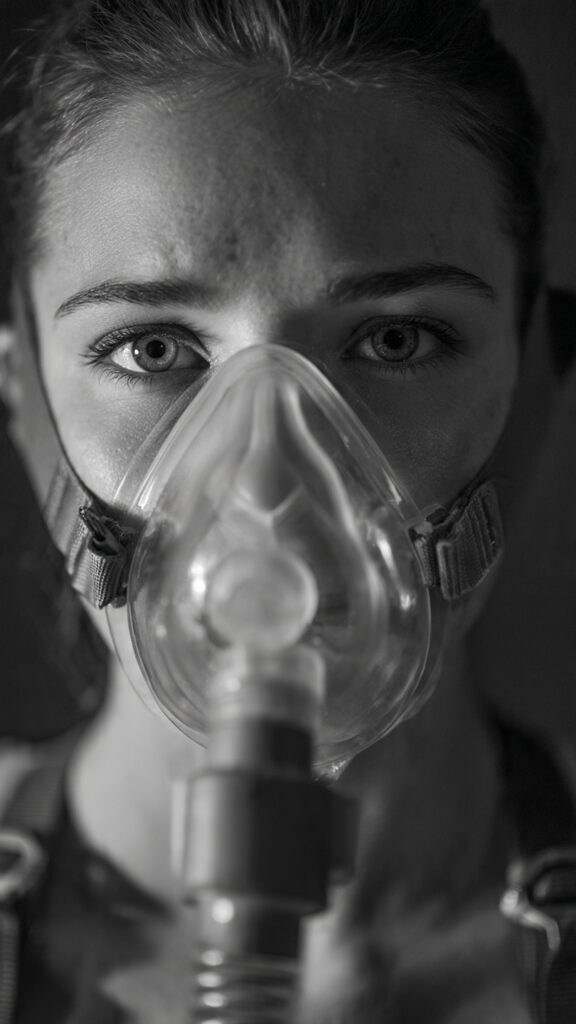
We’ve all heard it: “Put your oxygen mask on first.” It is one of the clearest examples of health and well-being. If I ignore my own basic needs—sleep, food, rest, hydration—I eventually lose the ability to focus, engage, or manage daily life. No amount of motivation or willpower can override a body that is depleted.
Organizations worldwide emphasize adequate sleep, a healthy diet, regular exercise, and spiritual grounding because these practices help prevent disease, improve physical and mental health, and help people cope with stress. When these basic conditions are met, a person’s quality of life increases dramatically.
Every role I hold—therapist, father, husband, son, brother—depends on my ability to think clearly, connect with others, and stay balanced. Without self-care, my ability to support anyone collapses.
Why Physical Health Matters in Self-Care
Self-care is deeply connected to physical health. A balanced diet reduces the risk of heart disease and helps stabilize blood pressure. Enough sleep repairs the body and strengthens the immune system. Regular exercise increases energy, reduces stress hormones, and prevents illness. These physical habits improve mental clarity, help manage anxiety, and create long-term wellbeing.
Self-care is part of disease prevention, and it’s supported by decades of research from health organizations worldwide. When people take simple steps to maintain health, they prevent far more complicated problems later.
Creating Your Own Self-Care Plan
One of the most effective strategies someone can create is their own self-care plan. A self-care plan can include sleep routines, dietary habits, daily movement, self-monitoring practices, and ways to ask for support. These plans help people identify early warning signs before stress or illness escalates.
For example, noticing irritability, fatigue, forgetfulness, or disconnection can signal that someone isn’t getting enough sleep or needs to adjust their diet or stress-management habits. A self-care plan doesn’t need to be complicated—just consistent.
What Counts as Self-Care?
People often misunderstand what is considered self-care. It doesn’t always mean big retreats or special routines. Often it’s the basics of everyday life:
• Eating a healthy diet
• Taking medication correctly
• Getting enough sleep
• Asking for support
• Drinking water
• Maintaining social well-being
• Allowing the body to rest
• Moving daily
• Practicing spiritual grounding
• Spending time with people you love
These habits create physical, emotional, and social health.
Self-Care Across Cultures
Self-care looks very different across cultures, and understanding those differences is essential for anyone working in mental health, social work, or community health promotion. Cultural beliefs strongly influence what people consider self-care, how they manage illness, whether they seek support, and how they interact with the health care system.
In some cultures, taking time for rest, meditation, or spiritual practices is an essential part of daily life. In others, people prioritize family obligations or work so heavily that self-care becomes a low priority. Some communities emphasize holistic approaches to maintain health, such as herbal remedies, prayer, or traditional healing practices that have been part of disease prevention long before modern healthcare providers existed.
Cultural beliefs shape how people identify stress symptoms, understand illness, manage anxiety, or engage in physical health practices. They also impact whether someone feels comfortable taking medication, asking for support, or seeking mental health services. In specific environments, living conditions limit a person’s ability to engage in wellness programs, maintain a healthy diet, or get enough sleep.
The World Health Organization and other major health organizations recognize the importance of cultural context when developing health literacy materials because self-care practices must be accessible, respectful, and adaptable. A person’s environment, resources, education, disability status, and support network all play a role in their ability to carry out a self-care plan.
By understanding cultural differences, we help create self-care practices that align with each person’s life experience, improve overall health, and strengthen daily life. When people feel seen, valued, and understood, they are far more likely to engage in helpful self-care practices that support wellbeing, reduce stress, and prevent disease.
The Evidence Base Behind Self-Care
Research shows that consistent self-care improves well-being, reduces illness, strengthens the immune system, lowers blood pressure, and supports mental stability. Many of today’s habits were developed through studies on stress, anxiety, physical health, and long-term wellness.
Self-care is not guesswork—it is grounded in an evidence base that shows its effectiveness across populations and cultures. The process of taking care of yourself daily has been proven to help people manage stress, cope with anxiety, and maintain overall health even in challenging environments.
A Daily Reprieve
Good health requires repeated effort—sleep, hydration, nutrition, movement, connection, and reflection. I ask myself each day:
• Did I meditate today?
• Did I eat something nourishing?
• Did I exercise or move my body?
• Did I pray or reflect spiritually?
• Did I connect with someone I love?
• Did I take medication as prescribed?
• Did I allow myself a few minutes to breathe or reduce stress?
These questions help me stay focused, manage stress, and maintain health.
Final Thoughts
Self-care is not selfish. It is part of the health care system, mental health, physical well-being, and a healthy life. It strengthens our ability to manage stress, prevents disease, supports overall health, and keeps us grounded.
Self-care is how we protect our energy.
Self-care is how we adapt to the world.
Self-care is how we create a life filled with meaning, balance, and well-being.
Self-care is how we stay alive, connected, and fully engaged in the life we want to live.