
How Eye Movement Desensitization and Reprocessing Helps the Brain Heal From Trauma
When people experience overwhelming or disturbing life experiences, the mind and body don’t always process them correctly. Instead, painful events can become unprocessed memories stored with physical sensations, disturbing feelings, and negative beliefs. Later, these disturbing memories may resurface as emotional distress, anxiety, avoidance, or intense suffering—signs that the natural healing processes were interrupted.
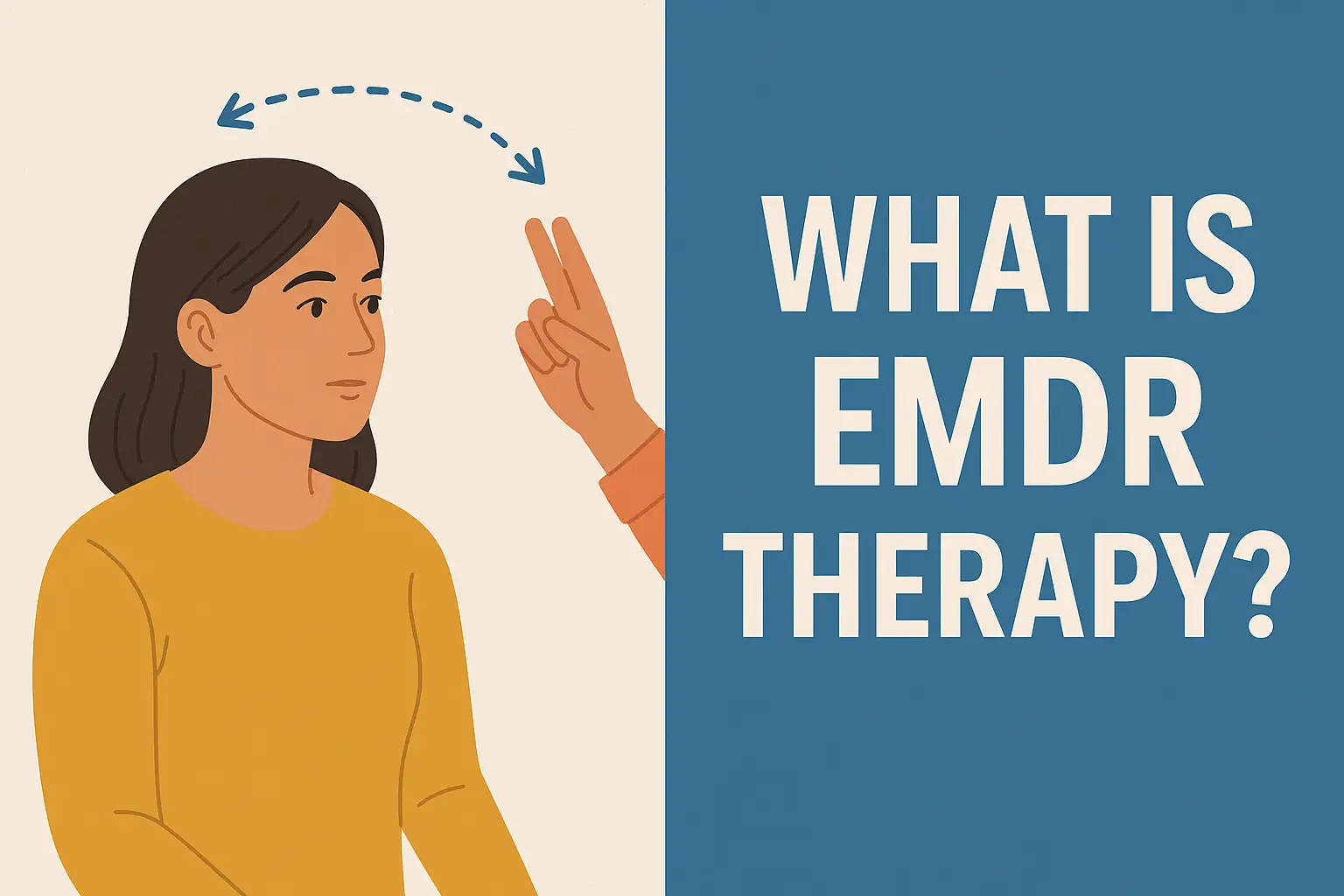
This is where EMDR comes in. EMDR therapy—short for Eye Movement Desensitization and Reprocessing—helps the brain resume its natural outcome of healing. Unlike talk therapy alone, EMDR therapy demonstrates that bilateral stimulation can activate emotional processes similar to those in rapid eye movement (REM) sleep, when the brain normally processes experiences. The EMDR therapeutic process doesn’t erase memories; it reduces the emotional wound tied to them so the emotional health of the client can be strengthened.
As an EMDR therapist, I see how insights clients gain during EMDR sessions can feel transformative. My role is simple: create safety, provide structure, and let the brain’s natural healing mechanisms do the work.
Compassion now. Hope ahead.
How I Explain EMDR to Clients
EMDR can sound strange at first. Eye movements, tapping, or other bilateral stimulation isn’t what most people picture when thinking about mental health treatment. I speak directly to that:
“I know this can sound unusual, but there’s so much research supporting the EMDR practice. Ask anything you want. My job isn’t to convince you—it’s to help you heal.”
I describe how eye movements mimic part of the brain’s natural healing processes during REM sleep. When both hemispheres communicate, internal associations arise more easily, and emotional processes become less overwhelming.
A metaphor I use:
EMDR turns the brain’s processing system from dial-up to fiber-optic—allowing disturbing event memories to move through the mind quickly and safely.
Why Trauma Gets “Stuck”
Psychological trauma, whether from single trauma victims or multiple trauma victims, affects mental processes deeply. In times of danger, the nervous system prioritizes survival, not meaning-making. When traumatic memories remain unprocessed, an emotional wound festers. Even years later, people may react to triggers as if the event is still happening.
EMDR therapy shows the brain can reprocess disturbing thoughts and disturbing life experiences that previously felt unbearable. Whether someone is treating PTSD, resolving emotional wound patterns, or healing disturbing feelings tied to past events, the EMDR therapy result often includes reduced emotional distress and greater freedom.
The World Health Organization and the American Psychiatric Association both recognize EMDR as an effective treatment for post-traumatic stress disorder and other mental health conditions, partly because EMDR therapy people often heal faster with EMDR therapy than with other therapies alone.
What an EMDR Session With Me Is Like
Phase 1 – History & Treatment Planning
We begin by exploring distressing memories, targeted memory themes, and emotional pain. In EMDR therapy training sessions through EMDR Consulting, I learned to map out unprocessed memories with care. I ask about culture, safety, and support systems. Treatment planning includes identifying negative beliefs tied to painful events and clarifying the positive beliefs the client wants to strengthen.
Phase 2 – Preparation
Before reprocessing, clients learn grounding tools such as:
• Safe place imagery
• 5-4-3-2-1 grounding
• Mindfulness exercises
• Regulation skills for emotional distress
Clients activate these skills throughout the process, so emotional pain never becomes overwhelming.
Phase 3–7 – Desensitization and Reprocessing
Here is where bilateral stimulation begins—eye movements, tapping, or other bilateral stimulation methods. As the brain processes disturbing event memories, internal associations arise naturally. I avoid heavy clinician interpretation; EMDR practitioners understand that the brain knows what it needs to heal. Healing resumes, often feeling accelerated.
Clients begin to notice shifts: body sensations change, emotional distress decreases, and the mind connects the event with new meaning. This is reprocessing therapy at work.
Phase 8 – Closing & Integration
We integrate insights clients gain, helping them use their new beliefs in everyday life. Sometimes clients report reductions in emotional distress so quickly that it surprises them—another example of how successful EMDR therapy often feels different from talk therapy.
A Powerful Breakthrough (De-Identified Story)
A client who endured a disturbing life experience involving physical trauma in a crowded setting developed posttraumatic stress disorder symptoms. He avoided public spaces and lived with severe emotional pain. After EMDR sessions focused on the targeted memory, his disturbance dropped from intense suffering to manageable discomfort. Eventually, he walked into a crowded mall—an experience that once felt impossible.
This wasn’t avoidance or denial disappearing; it was the mind completing what trauma interrupted. EMDR therapy result: freedom.
Why EMDR Fits My Philosophy: Compassion Now. Hope Ahead.
People don’t seek therapy because life is easy. Severe emotional pain requires compassion, not judgment. Painful events shouldn’t define a person forever. With EMDR, healing resumes where trauma paused it, and people reclaim their lives.
I don’t assume I know someone’s story. The EMDR therapeutic process must adapt to the person, not the other way around.
The Bottom Line
EMDR therapy shows that when the brain processes disturbing memories correctly, emotional distress decreases, and people regain clarity. It blends natural healing processes with structured support, helping clients heal from psychological trauma, physical trauma, and other distressing life experiences.
Whether someone is dealing with negative beliefs, disturbing thoughts, or a long emotional wound, EMDR therapy demonstrates again and again that healing is possible.
If You’re Ready to Heal, I’m Here to Help
You don’t have to carry this alone. Reach out to schedule EMDR therapy. The next chapter of your life can start now—one where the past no longer controls the present.