

Men’s Group Therapy for Problematic Pornography Use
You’re not alone in this struggle. Problematic pornography use affects a significant number of men, yet many struggle in isolation, feeling ashamed or confused about why compulsive sexual behavior feels so difficult to change. When pornography addiction interferes with personal relationships, sexual function, self esteem, and daily life, it’s time to seek support.
This virtual group is designed for men seeking treatment who want professional help, structure, guidance, accountability, and a place to speak openly without judgment.
Understanding Problematic Pornography Use
While terminology varies, what matters is this: when porn use creates distress or interferes with your life, it’s worth addressing. Whether you call it porn addiction, sex addiction, or compulsive sexual behavior, the pattern is real and the impact can be significant.
Pornography use is part of a complex picture involving brain chemistry, habit formation, and emotional regulation. Viewing pornography releases dopamine, reinforces neural pathways, and can create patterns that feel difficult to break. Over time, excessive pornography use can lead to:
The World Health Organization recognizes compulsive sexual behavior disorder as a legitimate concern affecting mental health. While the Diagnostic and Statistical Manual doesn’t currently list “pornography addiction” as a standalone mental health disorder, many clinicians and researchers—including experts in addiction medicine, sexual medicine, and clinical medicine—acknowledge the real negative consequences that arise from problematic pornography patterns.
For many men, online porn addiction or internet pornography use becomes a coping mechanism for stress, anxiety, loneliness, or emotional pain—similar patterns seen in substance abuse or other behavioral addictions.
Important: You do not need a formal diagnosis to participate. You don’t need to identify as sex addicts or porn addicts. If pornography addictive habits or compulsive sexual behavior patterns are affecting your fulfilling life, this group is for you.
What We Cover in Group Sessions
Each session integrates evidence-based approaches including Cognitive-Behavioral Therapy (CBT), mindfulness, and proven coping mechanisms designed to help you understand sexual addiction and reduce problematic pornography use.
Core Topics Include:

Understanding Patterns: How compulsive sexual behavior develops and why controls inconsistent patterns make change difficult
Trigger Identification: Recognizing what drives porn use, excessive use, and online pornography consumption

Mental Health Connection: Exploring links between mental health, addiction, and sexual behavior

Shame Reduction: Healing negative thoughts, shame spirals, and self esteem struggles

Healthy Coping: Building alternative coping mechanisms for stress, loneliness, and emotional pain
Reality Testing: Addressing unrealistic expectations shaped by sexual images and internet pornography

Reclaiming Sexuality: Restoring healthy sexual function, intimacy, and connection
Relationship Repair: Improving communication and healing relationship problems
Brain Science: Understanding how viewing pornography affects the brain (insights from biological psychology)
Sustainable Change: Strategies for regaining control and creating healthier long-term habits
You’ll learn how problematic behavior develops, why it persists, and—most importantly—how men seeking treatment can create sustainable change with professional help and peer support.
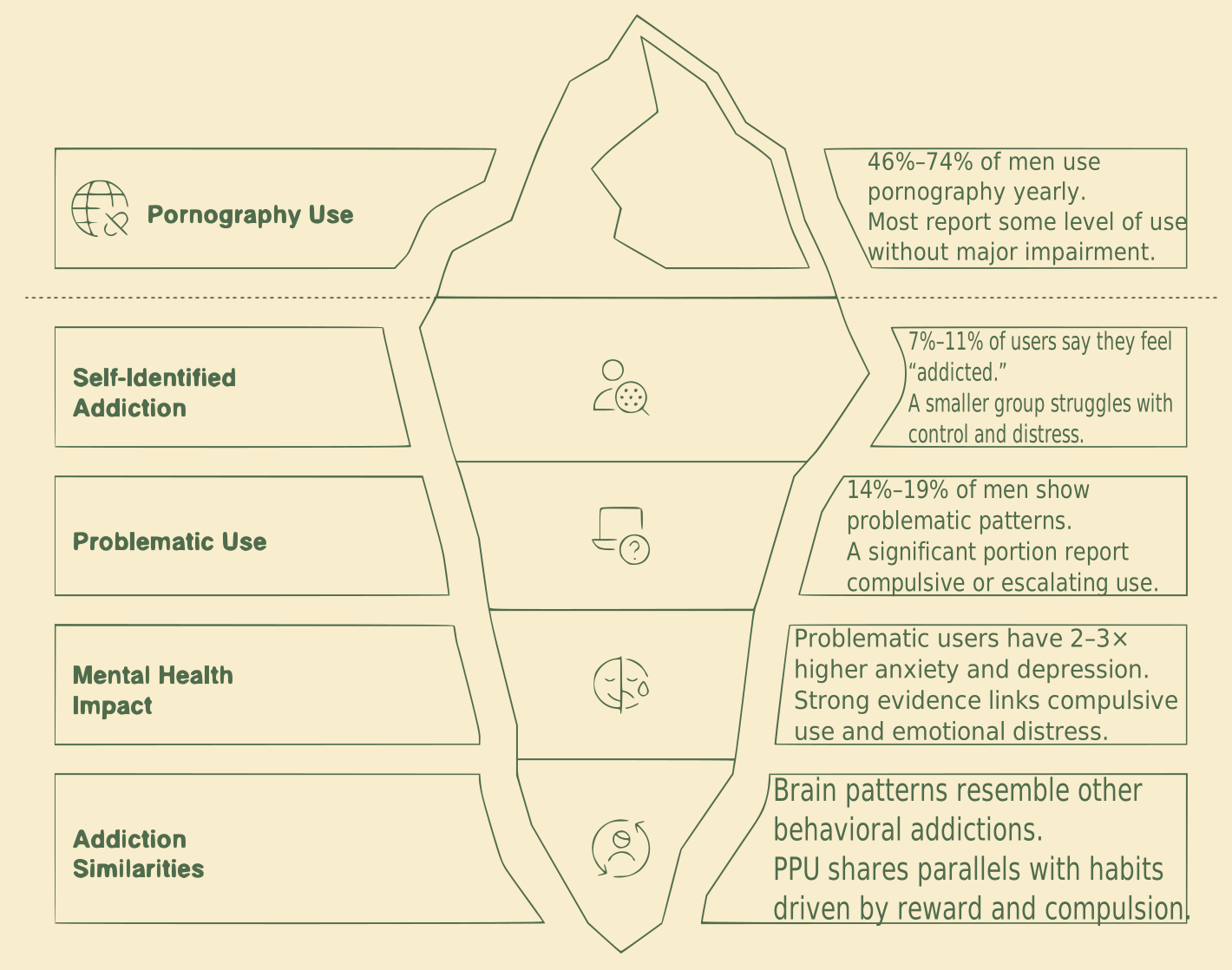
The Pornography Use Iceberg: What’s Visible vs. What’s Underneath
Is This Group Right for You?
This group supports men who are:
- Struggling with pornography usage or feeling addicted to porn
- Experiencing negative consequences from watching porn or viewing porn
- Feeling out of control with compulsive sexual patterns or sexual behavior
- Concerned about how excessive pornography affects relationships, work, or self-image
- Wanting to break free from internet pornography or online pornography habits
- Hoping to rebuild trust, improve intimacy, and strengthen personal relationships
- Experiencing mental health issues like anxiety, shame, guilt, or emotional disconnection
- Seeking support groups with honest talk and a non-judgmental environment
Why Group Therapy Works
Research from systematic reviews and clinical studies demonstrates that group interventions are particularly effective for behavioral addictions and addictive behaviors. Support groups led by licensed professionals provide connection, validation, and accountability—three essential elements for changing compulsive sexual behavior patterns.
Reality Testing
Challenge unrealistic expectations created by online pornography through honest discussion.

Through honest talk, shared experiences, and guided therapeutic discussion, you’ll begin to see that you are not alone, you are not broken, and meaningful change is possible.
What to Expect
Led by Douglas Carmody, LCSW
Douglas Carmody is a Licensed Clinical Social Worker (Florida License SW 24424) with experience facilitating groups for individuals dealing with substance-related concerns and addictive behaviors. This background directly informs his approach to working with men struggling with porn addiction and problematic behavior patterns around pornography.
Research in addiction medicine shows remarkable similarities in brain mechanisms and behavioral patterns across different types of addictive behaviors, whether involving substance abuse or compulsive sexual behavior. This expertise allows for:
- Recognition of patterns common among problem users
- Evidence-based strategies proven effective across addiction treatment
- Understanding of co-occurring mental health issues and substance use disorders
- Clinical assessment of progress and adjustment of treatment approaches
- Creating a safe, non-judgmental space for honest talk
Beyond Stopping: Building a Fulfilling Life
The goal isn’t simply to stop watching porn—it’s to build a fulfilling life where problematic pornography use no longer serves a purpose. This means:
- Developing healthier ways to manage stress, boredom, and difficult emotions
- Rebuilding or strengthening personal relationships and intimate relationships
- Addressing unrealistic expectations about sex, sexual images, and relationships
- Reconnecting with values, interests, and activities outside of pornography use
- Improving self esteem and self-compassion
- Creating a life rich enough that you don’t need to escape from it
Recovery is not about willpower or moral superiority. It’s about understanding patterns, building skills, and creating a life aligned with who you want to be. This group supports your mental health, emotional growth, and wellbeing at every step.
Addressing Common Concerns
Groups are virtual and serve all of Florida, making this unlikely. Additionally, strict confidentiality agreements protect all members. If you did recognize someone, they're there for the same reason—seeking help.
Formal addiction diagnosis isn't required. If pornography use is causing distress or problems in your life, and you want to change your relationship with it, this group can help. The label matters less than your experience and goals.
Setbacks are a normal part of recovery for any behavioral addiction. Group provides a space to process setbacks, learn from them, and receive support without judgment. Progress, not perfection, is the goal.
While peer support groups have value, professionally-led group therapy offers clinical expertise, structured evidence-based interventions, and the ability to address co-occurring mental health conditions. It's therapy that includes peer support, not peer support alone.
No. The focus is on patterns, feelings, triggers, and recovery—not explicit content. You control what you share and can participate at your comfort level.
I am currently accepting private pay only for this group to ensure privacy. To support commitment and consistency within the group, members are asked to pay for three sessions at a time.
Each session is $50 USD, and groups are limited to no more than five participants.