December 2025

Breakup grief and emotional healing after the end of a relationship

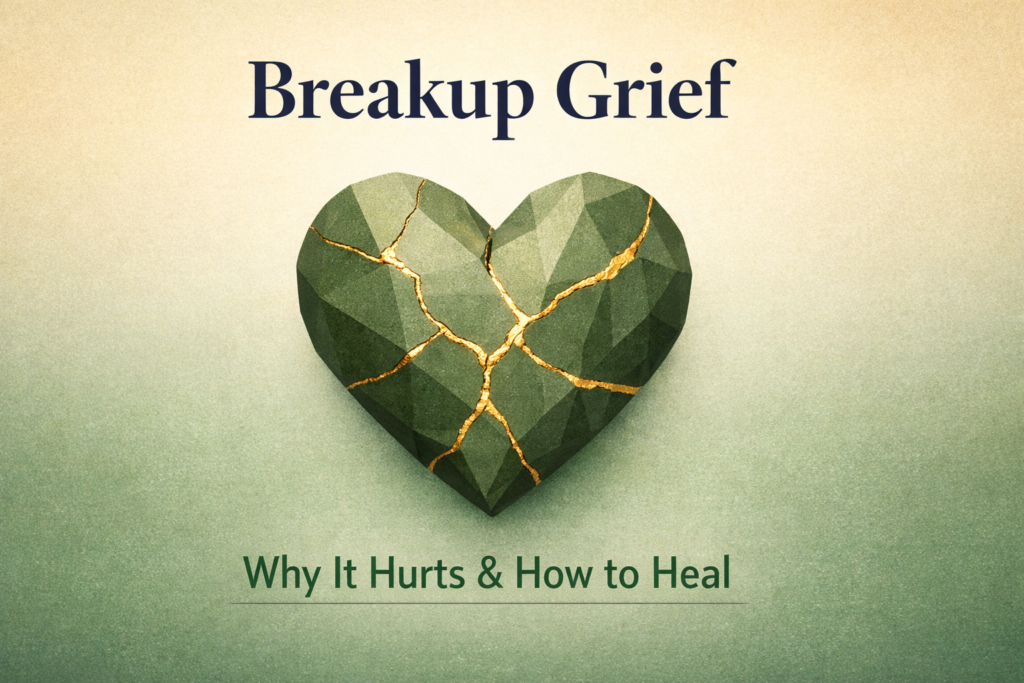
Breakup Grief: Why It Hurts So Much (And How to Heal)

If you’re going through breakup grief and it feels like someone died, that’s because—neurologically speaking—something did die. The future you imagined, the person who knew your coffee order and understood your past, the daily reality that structured your entire life—all of it, gone.
Breakup grief is real grief. It’s normal to feel like your world has ended, even if friends and family don’t understand. Your broken heart isn’t being dramatic. Your nervous system is responding to a profound loss the same way it would process an actual injury. The pain is real, the grieving process takes time, and you’re not the only person who feels this way.
This isn’t about “getting over it” quickly or “moving on” before you’re ready. This is about understanding why painful breakups hurt so much, learning self care tips that actually help, and finding your way toward moving forward when you’re ready to create a new life.

Breakup Grief: Why It Hurts So Much (And How to Heal) Read More »

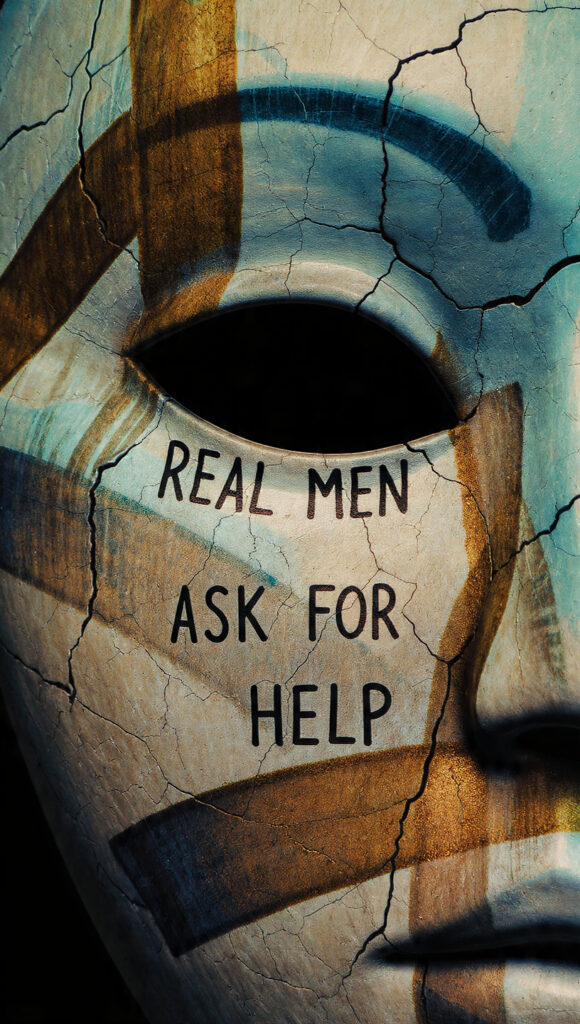
Photo of a sign that says “Real Men Ask for Help,” representing men’s mental health and the importance of vulnerability.

Why Men Struggle to Ask for Help (And How to Change That)

Here’s a fun fact that’s not actually fun at all: men are nearly four times more likely to die by suicide than women, yet they’re significantly less likely to seek mental health treatment. If that math doesn’t make sense to you, welcome to the paradox of men’s mental health.
The statistics are sobering: 75% of suicides in the United States are men, yet only 1 in 3 men who experience mental health issues will seek professional help. We’ll wait until the house is actively burning down before we even consider calling the fire department. And sometimes not even then.
But here’s the plot twist: when men actually do reach out for help, they report overwhelmingly positive experiences. The catastrophe they imagined? It doesn’t materialize.
“I spent literally years dreading making that first appointment,” says David, 38, now six months into CBT. “I had this whole narrative in my head about how it would feel weak or embarrassing. The actual experience? Felt like finally setting down a backpack I’d been carrying for way too long. Honestly, my only regret is not doing it sooner.”
If you’re reading this and thinking “yeah, but I’m fine,” consider: would you really be reading an article about men’s mental health if everything was fine? Asking for help isn’t giving up. It’s growing up.

Why Men Struggle to Ask for Help (And How to Change That) Read More »

chatgpt image dec 2, 2025, 11 16 37 pm

What Problematic Porn Use Really Looks Like (And What It Isn’t)

Porn addiction is not a moral failure—it’s a complex cycle of brain chemistry, trauma, and emotional avoidance. This compassionate guide clarifies the difference between compulsion vs. addiction, explores the role of shame in the cycle, details how it impacts relationships, and outlines effective, shame-free treatment paths like group and individual therapy for real healing.

What Problematic Porn Use Really Looks Like (And What It Isn’t) Read More »